
Best Greece Tours: A Guide For Every Visitor
Greece has a way of calling visitors back again and again. Its islands shine white against the Mediterranean, and its ruins tell stories older than most modern nations. Greece tours make this country easy to enjoy for couples, families, friends traveling together and solo visitors on a first trip.
This guide explains what to see, which kinds of tours people take and what comes with each one. It starts in the Cyclades and then moves on to Athens. Next come Crete and other famous islands, followed by the ancient sites of the mainland. My Greece Tours shares more ideas for every stage.
Which Greece Tours In The Cyclades Suit Every Traveler?
The best Greece tours in the Cyclades mix boat days, village walks and food stops. Couples, families, friends and solo travelers can all pick a pace that suits them. Travel pages such as Greece tours and Tours In Greece show how varied these island days can be. Every island offers a different atmosphere.
What should be on every list in the Cyclades?
Santorini delights most visitors. Its cliff villages hang over a huge flooded volcano crater, with white houses and blue domes stacked along the rim. Oia glows at sunset, and the cliff path to Fira offers wonderful sea views. On Mykonos, a row of windmills stands on a low hill above the old town.
Delos lies a short boat ride from Mykonos. The whole island was a sanctuary, which means a holy place, and ancient Greeks believed the god Apollo was born there. Today, marble lions and broken temples rest under open sky. Greece tours often pair Delos with free time back in Mykonos town.
Milos is famous for its sea caves and unusual rocks, carved by wind and waves. Small boats slip into caves where the water turns green and blue. On Naxos, the old town climbs a hill to a castle, with narrow, winding lanes below. Naoussa on Paros has a harbour full of bright fishing boats.
How are Greece tours set up in the Cyclades?
Private tours with a driver-guide or a skipper suit couples and families who want a personal plan. One price covers everyone in the booking, so friends who share the cost often find it reasonable. Boat cruises with swim stops suit almost everyone who loves the water.
Full-day trips from Athens by coach suit visitors who are based in the capital but still want an island day. Snorkel and beginner scuba trips work well for curious swimmers, even those who have never dived before. Teenagers especially enjoy this activity.
Cooking classes and wine tastings suit food lovers and anyone who wants a slower afternoon. Children enjoy the cooking side, since they decorate and prepare their own dishes. Many Greece tours here mix these styles, such as a morning cruise that ends with a tasting.
Which services make Greece tours in the Cyclades easier?
Most boat days include lunch or a BBQ meal cooked on board, which avoids searching for a table in a busy harbour. Drinks come with many trips, and some pour them without limit. That matters on hot days, when cold water keeps everybody comfortable.
A licensed or local guide adds the history behind each village and monument. Snorkel gear is often handed out on board, so travelers do not need to pack their own. Free time to explore lets visitors shop, swim or simply relax by the water.
Wine tastings show off grapes grown in the volcanic soil of Santorini, and hosts explain each glass in plain words. Swim stops break up long boat rides and give children a chance to splash. Together, these extras turn Greece tours in the Cyclades into easy, memorable days.
Which tricks save time in the Cyclades?
Book boat days early in the week, before weekend crowds arrive from Athens. Morning trips usually meet calmer seas, and they leave the evening free for sunset views. Ferries fill quickly in summer, so travelers should buy their seats well ahead and reach the port early.
Pack a hat, sunscreen, a light jacket for windy decks and shoes with good grip. A dry bag keeps phones safe on boats and in sea caves. Carry some cash too, since small village shops do not always take cards. Seasickness tablets help anyone who feels uneasy on small boats.
Where Do Greece Tours Go In The Capital?
Greece tours in the capital climb the Acropolis, explore ancient market squares and often head out to the coast. Athens packs remarkable history into a compact, walkable centre. Most visitors begin here, since international flights land in Athens and many ferries depart from its ports.
What should be on every list in the capital?
The Acropolis hill rises above the city, crowned by the Parthenon, a temple built for the goddess Athena. The word acropolis means high city. On the southern slope sits the Theatre of Dionysus, the birthplace of Greek drama, or stage plays. The Acropolis Museum below displays statues and carvings discovered on the hill.
The Roman Agora was a market square built when Rome ruled Greece. Beside it stands the Tower of the Winds, an old marble clock tower with carved figures of the winds. Hadrian’s Arch, a gate named after a Roman emperor, marks the border between the old city and the newer Roman district.
The National Garden offers shade, ponds and quiet paths right beside the parliament. At night, the old quarter of Psyrri fills with lively taverns, colourful street art and live music. Outside the city, Cape Sounion holds a temple to Poseidon, god of the sea, high on a cliff above the water.
How are Greece tours set up in the capital?
Guided walking tours are the most popular way to discover the centre. They suit first-time visitors and solo travelers who like to ask questions along the way. Private tours with a driver-guide suit families with young children or older relatives, since one price covers everyone who books together.
Along the coast, a skipper can sail a private boat for couples or friends. Boat cruises with swim stops visit the Athens Riviera and the islands of the Saronic Gulf. Many Greece tours from Athens blend a morning in the city with an afternoon at sea.
Cooking classes and wine tastings suit curious food lovers. Guests learn to make Greek dishes, then sit down to share what they cooked. Children enjoy rolling dough and shaping little pies. It is a friendly way to meet locals on a short city break.
Which services make Greece tours in the capital easier?
A licensed guide is especially valuable in Athens. Licensed guides study the history in depth, so their stories make old stones feel alive. A local guide also knows the quiet corners and the calmest times to visit. That turns a hot climb into a story worth hearing.
Day cruises from the city usually include lunch or a BBQ meal, so nobody needs to pack food. Drinks are usually included, and on some trips they are unlimited. Swim stops in clear coves give a welcome break from the busy, noisy streets.
Wine tastings near Athens introduce local grapes that few visitors know at home. Hosts explain how each wine is made and which local foods suit it. These services make Greece tours in the capital feel easy, even on a short stay.
Which tricks save time in the capital?
Reach the Acropolis right at opening time or late in the afternoon, when the heat and crowds ease. Book walking tours ahead in busy months, since popular start times fill quickly. The metro links the airport, the port and the centre, so taxis are rarely necessary.
Wear shoes with good grip, because the marble paths on the hill are smooth and slippery. Bring a refillable water bottle, a hat and sunscreen. Small kiosks across the city sell cold drinks and snacks for a quick break. Plan the museum for the hottest part of the day.
Which Greece Tours In Crete And Beyond Do Travelers Remember?
Travelers remember Greece tours that join Knossos, Chania and the shallow lagoons of Crete with Rhodes, Corfu and Zakynthos. Each island adds its own mix of history and beaches. These larger islands reward visitors who stay a little longer and travel slowly. Ferries and domestic flights connect them with Athens.
What should be on every list in Crete and beyond?
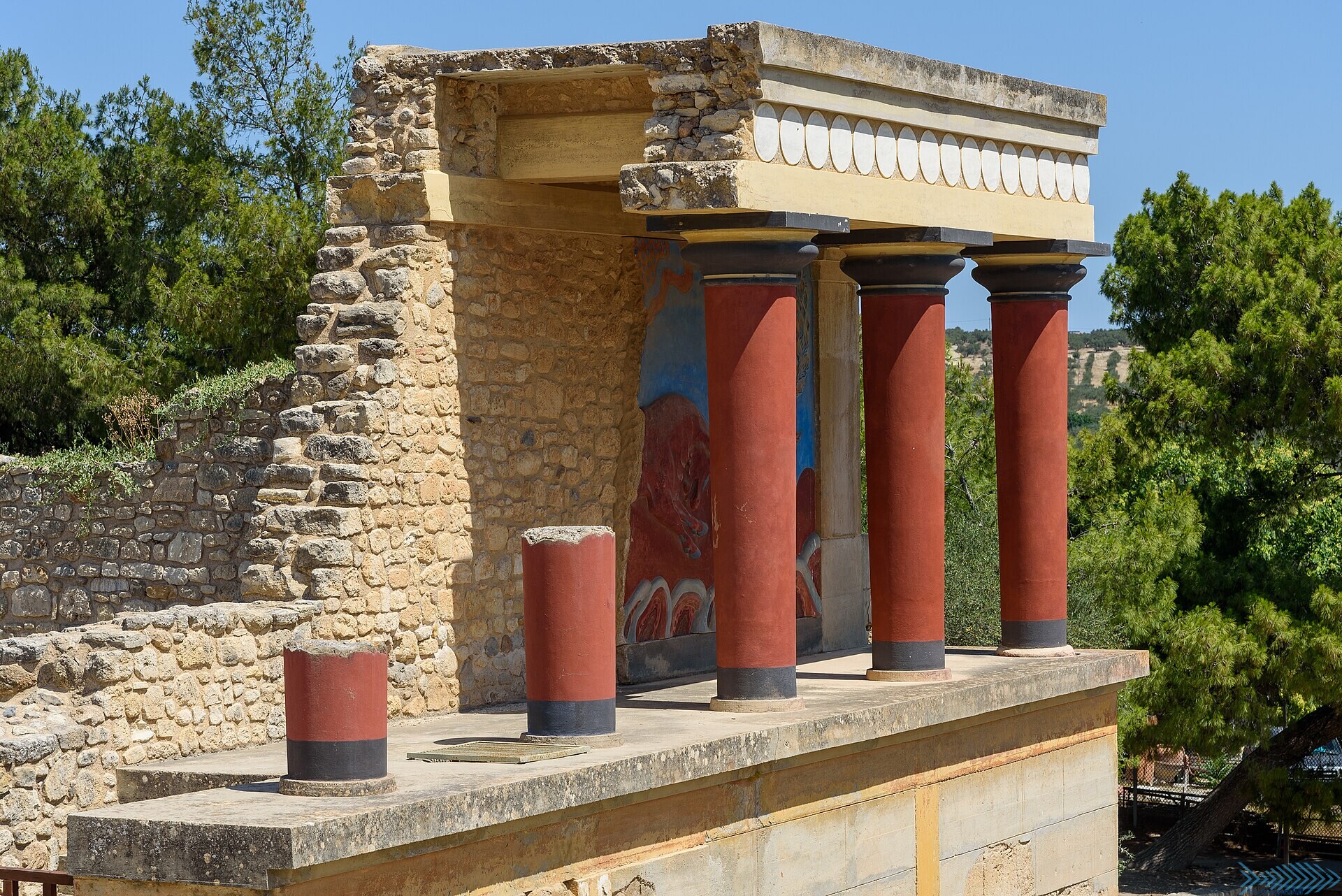
The palace of Knossos was the heart of the Minoans, an early people who ruled Crete long before Athens grew powerful. Legend links it to King Minos and the maze of the Minotaur. In Chania, the old harbour curves around a stone lighthouse, lined with colourful houses from the days when Venice ruled the island.
The lagoons of Balos and Elafonisi have shallow, warm water in shades of turquoise, which makes them ideal for children. On Rhodes, the Old Town sits inside thick walls built by knights in the Middle Ages. Lindos, on the same island, is a white village below a hilltop acropolis facing the sea.
Corfu old town mixes Italian, French and British touches, with arched walkways, pastel buildings and a cricket ground. On Zakynthos, Navagio is a cove with a rusting shipwreck on bright white sand. It is best admired from the water or from a viewpoint on the cliffs above.
How are Greece tours set up in Crete and beyond?
Private tours with a driver-guide suit families and couples who want to cover Crete at their own speed. A skipper can take friends to Balos by private boat, with one price for the whole booking. Boat cruises with swim stops suit anyone who wants beach time without a long drive.
Guided walking tours work well in Chania, Rhodes and Corfu, where the most interesting lanes are too narrow for cars. Entry tickets suit independent travelers who want to explore Knossos at their own pace. Full-day trips from Athens by coach suit visitors on short stays who still want a guided day out.
Many Greece tours on Crete end with cooking classes or wine tastings, since the island has its own cheeses, herbs and wines. Travelers heading back toward Athens can also break the trip on Paros.
Which services make Greece tours in Crete and beyond easier?
Entry tickets bundled into a tour save a long wait at busy gates, which matters at Knossos in summer. A licensed or local guide then explains the faded wall paintings and the clever water pipes of the palace. That makes even a crowded site feel easy.
Boat trips to the lagoons often include lunch or a BBQ meal on board. Drinks come with most cruises, and some keep them flowing without limit. Swim stops in clear water let children and adults cool off between sights.
Wine tastings in village cellars let guests try local wines with the people who make them. They often take place on family vineyards with beautiful views. These services make Greece tours in Crete and beyond smooth, with less planning and more time to enjoy each place.
Which tricks save time in Crete and beyond?
Crete is a big island, so travelers should base themselves in one area rather than crossing it every day. Chania suits the west and the lagoons, while Heraklion sits close to Knossos. On Rhodes and Corfu, stay close to the old town. Start beach trips early, before the car parks fill up.
Bring water shoes for rocky coves, plenty of sunscreen and a light shirt for shade on boats. Island roads are winding, so anyone prone to car sickness should sit near the front. Book boat trips ahead in high season, as the most popular days sell out.
Which Greece Tours In Ancient Greece Give Good Value?
Greece tours to Delphi, Meteora, Mycenae, Epidaurus and Olympia give strong value, since a single trip can cover several famous sites. An experienced guide turns ancient stones into living stories. These mainland routes suit anyone curious about how the ancient world worked. They also show a greener, quieter side of Greece.
What should be on every list in ancient Greece?
Delphi sits on the slopes of Mount Parnassus. Its oracle was a priestess who gave advice that people believed came from the god Apollo. Kings and farmers alike travelled far to ask her questions. The museum at the site holds the bronze Charioteer, a statue of a young chariot driver.
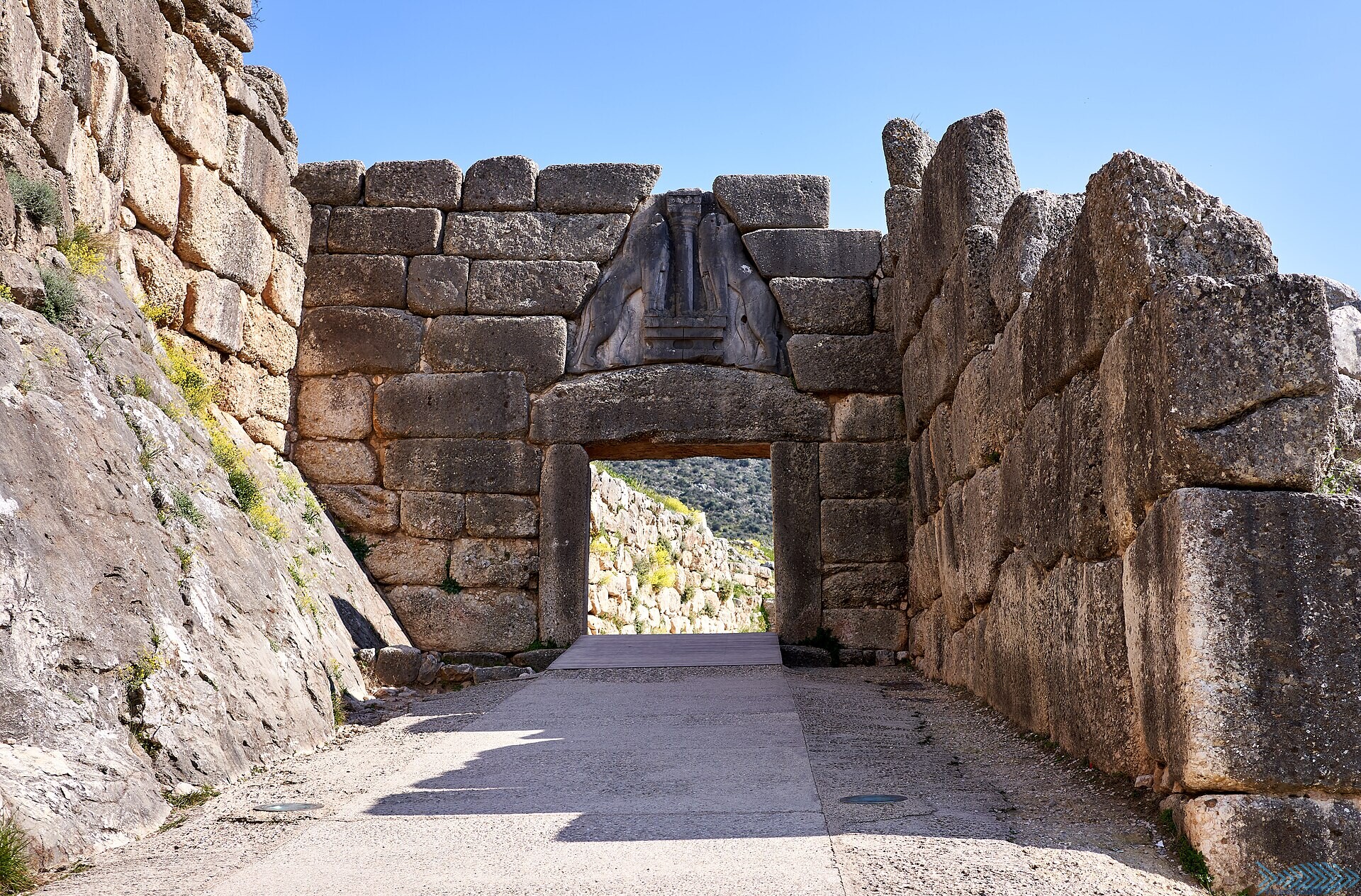
The rock monasteries of Meteora sit on top of tall stone pillars, where monks once lived in safety and prayer. Mycenae was the city of King Agamemnon in old legends, and its royal tombs look like giant beehives. The great theatre of Epidaurus carries a whisper from the stage to the top rows.
Nafplio was the capital of Greece before Athens, and its old town is full of flower-filled balconies and ice cream shops. At Olympia, visitors can walk into the stadium where the ancient Olympic Games were held. The Corinth Canal cuts a narrow, steep channel through solid rock.
How are Greece tours set up in ancient Greece?
Shared tours that keep numbers low suit solo travelers and couples who want a guide without the cost of a private car. Full-day trips from Athens by coach reach Delphi, Mycenae or the Corinth Canal and return the same evening. They suit visitors with a tight schedule.
Guided walking tours inside each site help first-time visitors find the important locations quickly. Entry tickets suit travelers who prefer to wander alone and read the signs at their own pace. Students and history fans often choose this freedom, along with keen photographers.
Multi-day tours with hotel nights link Delphi, Meteora and the Peloponnese, the large southern peninsula, in one loop. They suit families and friends who want to see a lot without driving. Greece tours like these remove the stress of planning routes.
Which services make Greece tours in ancient Greece easier?
A licensed guide is the biggest asset at ancient sites, where many ruins are little more than low walls. The guide explains what each building was for and who used it. A local guide may also share legends that no sign mentions.
Entry tickets included in the tour mean no time lost at the gate, which matters when a day covers several sites. They also take a chore off the list for parents with tired children. Skipping the ticket line leaves more energy for the climb up to each ruin.
Hotel nights on multi-day trips are booked in advance, often in towns such as Nafplio or Kalambaka below Meteora. Travelers wake up close to the sights and reach them before the day crowds. That keeps Greece tours on the mainland calm and well paced.
Which tricks save time in ancient Greece?
Visit the big sites early in the morning, since most ruins offer little shade by midday. Delphi and Olympia both have museums, so save them for the hottest hours. Meteora looks best in soft evening light. On longer routes, plan a slow day by the sea.
Wear sturdy shoes, a wide hat and light, breathable clothing. Long skirts or trousers and covered shoulders are needed inside the monasteries of Meteora. Carry a refillable bottle, as cafés can be far from the ruins. Sun protection matters even on cloudy days. A small snack helps children stay cheerful.
Conclusion: Best Greece Tours, Planned Well
Greece rewards every kind of traveler, from couples chasing sunsets to families looking for calm, shallow beaches. The Cyclades bring blue water and white villages, while Athens offers remarkable history at every corner. Crete and the other islands add lagoons and castles, and the mainland ruins finish the picture with oracles and theatres.
The best Greece tours match the traveler, not the other way around. Some people want a guide at every step, while others prefer entry tickets and the freedom to wander. For a fully tailored trip, Greece private tours offer a smart start. With good planning, Greece tours leave memories that last a lifetime.
Frequently Asked Questions About Best Greece Tours
Can Greece tours mix islands and ancient sites?
Yes, and many travelers do exactly that on a single trip. A popular plan starts in Athens, adds a day trip to Delphi or Mycenae, then moves to the islands by ferry. Greece tours that mix both give a wonderful balance of history, food and beach time.
Which month suits Greece tours best?
Late May, June and September suit most visitors, with a warm sea and fewer crowds than the peak of summer. Spring brings wildflowers and mild weather for walking around the ruins and old towns. Early autumn keeps the sea warm while the lines at major sites grow shorter.
Are Greece tours good for couples?
Very much so, since Greece tours offer sunset cruises, wine tastings and quiet old towns made for slow walks. Couples especially enjoy romantic evenings in Santorini, Chania or Nafplio. A private tour lets them set their own pace, linger over lunch and stop wherever they like.
Which season is quietest for Greece tours?
Spring and late autumn are the quietest seasons for Greece tours across the country. Sites such as the Acropolis and Delphi feel calmer, and hotels offer more choice. Some island boat trips run less often then, so travelers should check schedules before they go.
How do you pick the right Greece tours?
Start with interests, pace and comfort, then compare what each option offers. Families may want short days with swim stops, while history fans may want a licensed guide and entry tickets. Reading what each tour includes, such as meals, drinks or hotel nights, helps prevent disappointment later.
Do Greece tours include a guide?
Most guided Greece tours include a licensed or local guide who speaks clear English. Entry tickets on their own do not, so travelers who buy only tickets explore without a guide. Boat cruises usually have a friendly crew who share tips about each stop and swim spot.
How do couples pick Greece tours?
Couples pick Greece tours by matching the pace and mood they both enjoy. Good choices include quiet island walks, long food stops and famous ancient sites. A short talk before booking saves both people from a trip that only one of them wants.
Start with what each person enjoys
Before looking at Greece tours, each partner can list the things they hope to see or do. One person dreams of old temples, while the other wants beaches and slow lunches. Comparing both lists early shows where the trip can meet in the middle.
An honest conversation about energy levels matters too. A partner who loves early starts and long hikes should know if the other prefers relaxed mornings. The best trips work when both travelers feel comfortable with the daily rhythm.
Nature lovers enjoy a day in wild places, and a guide to the best nature reserves in Greece helps them choose. Couples who like history can pick one big site and spend the rest of the day at ease. This balanced mix keeps both travelers happy and relaxed throughout the holiday.
Some couples want quiet corners away from busy ports and crowded squares. Reading about hidden gems beyond the tourist trails gives them fresh places to add. These calmer stops often become the most treasured memories of the entire trip.
Choose a style that feels right for two
Couples who love to explore on foot often pick walking tours through old towns. These Greece tours feel close and personal, with time to stop for coffee, photos or a quick look in a small shop.
Other couples prefer a boat day, a cooking class or a wine tasting at a family farm. Each of these Greece tours gives them something to share and talk about later. A good plan alternates one active day with one easy, restful day.
Where the couple sleeps also shapes the whole experience. Some pairs like eco-friendly places to stay close to nature. Others pick a central hotel, so that Greece tours start just a short walk from the door.
How do you manage tickets for Greece tours?
Travelers manage tickets for Greece tours by first checking what the tour already covers. Then they buy the rest early online and keep every ticket saved on their phone. This simple habit prevents long waits and last-minute stress at the entrance gate.
Know what the tour includes
Many Greece tours include entry tickets, but some only cover the guide and the transport. The tour page or booking email lists what is included. If the details are unclear, a short message to the tour provider clears it up.
Guided visits to famous historical sites need a little extra attention. In Greece, only state-licensed guides can lead visits inside archaeological sites, the places where old ruins are kept, and inside museums. Travelers can ask to see that their guide holds this license.
Monasteries have their own rules about entry, dress and quiet behavior. Reading up on how to visit Greek monasteries before the visit helps travelers avoid awkward moments. Covered shoulders and knees are the usual rule for everyone.
Buy and store tickets the smart way
The Acropolis in Athens is the ticket that most travelers worry about. A clear guide on whether to buy Acropolis tickets in advance explains how entry times work. Booking ahead keeps Greece tours in the capital calm and on schedule.
Timing matters just as much as the ticket itself. Tips on avoiding crowds at the Acropolis show that early morning and late afternoon feel quieter. Midday brings the biggest crowds and the strongest sun.
Combined tickets are worth a quick look as well. Some Greece tours bundle several attractions into one pass, which saves time at each entrance. Travelers should compare this option with separate tickets before deciding.
Once tickets arrive, travelers can save them together in one folder on their phone. A printed copy also helps if a battery dies or the signal drops. Anyone using a reduced ticket should carry proof, such as a student card.
How do you budget for Greece tours?
A smart budget for Greece tours mixes a few paid highlights with free days on beaches, hiking paths and town squares. Shared tours and off-season travel cost less. This balance keeps the trip full without stretching the money too thin.
Decide where the money matters most
Every traveler has a few things they care about most. For one person it is a sunset boat trip, and for another it is a full day at an ancient site. Spending more on those highlights and less on the rest makes Greece tours feel worth the cost.
The choice between shared and private tours also changes the cost. A guide to authentic shared and private tours explains how each style works. Shared tours are the cheaper choice, while private tours cost more but offer full freedom.
Families often find that private Greece tours make sense once the cost is split between several people. Solo travelers, on the other hand, save money by joining shared tours. Friends can look at both styles and compare.
Hidden extras can also stretch a budget. Lunch, drinks, tips for the guide and hotel transfers are not always included in the tour price. Reading the full description of Greece tours prevents unpleasant surprises at the end of the day.
Cut costs without missing out
Many of the best parts of Greece cost nothing at all. Walking through old town lanes, swimming at public beaches and watching the sunset are all free. Smart budget tips for Greece show how to build days around these simple joys.
- Travel in spring or autumn, when prices drop.
- Eat lunch at small family tavernas.
- Use buses and ferries instead of taxis.
- Carry a refillable water bottle.
- Pick shared Greece tours for the big sites.
Small daily savings add up quickly over an entire trip. The money saved on meals and transport can then go toward one special tour. This way, Greece tours stay fun without any money worries afterward.
How early should you book Greece tours?
Book Greece tours early for summer and holiday weeks, when the best spots sell out fast. In quieter months, a few days ahead is often enough. Flexible travelers can wait, but those with fixed dates should lock in their plans first.
Plan around the busy seasons
Summer is the busiest time for Greece tours, especially on the famous islands. Boat trips, sunset cruises and Acropolis visits fill up quickly in those months. Booking these well ahead gives travelers the best choice of days and times.
The shoulder seasons, meaning the quieter weeks of spring and autumn, offer a different experience. Greece tours during these months feel calmer, and popular departures rarely sell out. Travelers can often book with short notice.
Greek holidays also change the travel picture considerably. Easter is the biggest celebration of the year, and many locals travel home or to the islands. A guide to Greek holiday customs and traditions helps visitors plan around these busy weeks.
Some holidays bring closures as well as crowds. On major public holidays, certain sites and shops keep shorter hours or close for the day. Checking the calendar before booking Greece tours avoids a wasted trip.
Leave room for last-minute plans
Not every activity needs to be booked far in advance. Food walks, short city tours and local boat trips often have space just a day or two before. This leaves room to follow the weather and the mood of the trip.
Flexible booking conditions are always worth checking carefully before paying. Many Greece tours offer free changes or refunds up to a set time before the start. This small detail protects travelers if plans change because of weather, health or travel delays.
Staying safe and calm also helps with last-minute plans. Simple safety tips for Greece tourists cover things like booking only with trusted sellers. With smart timing, Greece tours fit easily around the rest of the holiday.
Which Greece tours suit a relaxed trip?
Relaxed Greece tours suit travelers who want slow mornings, long meals and one main activity each day. Island cruises, village walks and cooking classes fit this gentle style best. These tours leave plenty of free time for swimming, reading and simply watching the sea.
Slow days by the sea and in the villages
A relaxed trip often centers on one island or one small region. Travelers stay in the same room for several nights, so there is no daily packing. Short Greece tours, such as a sunset sail or a beach-hopping boat trip, add gentle highlights without rushing anyone.
Village visits are another calm choice for couples, families and solo travelers. Guides often stop at a local bakery, an olive grove or a small church along the way. Visitors who want to experience local Greek traditions enjoy these quiet, friendly moments the most.
Light luggage makes slow travel even easier. A simple guide to packing light for island tours helps travelers move freely between beaches, boats and tavernas. Less weight means more energy for the fun parts.
Slow travel also means fewer transfers and less time on the road. Staying in one base cuts down on early alarms, long bus rides and repeated hotel check-ins. This choice makes Greece tours feel like a true holiday rather than a race.
Food and culture at an easy speed
Food-focused Greece tours match a relaxed pace perfectly. A cooking class, a wine tasting or a market walk fills a few pleasant hours and then ends with a shared meal. Knowing which Greek dishes to try makes these tours even more rewarding.
Evening walks through old towns are another gentle option. The air cools down, the streets fill with families and the cafes come alive. These Greece tours rarely feel tiring, because the walking is short and the stops are frequent.
Half-day Greece tours are ideal for a slow holiday. A morning boat trip or an afternoon visit to a hilltop village takes only part of the day. The rest stays open for a nap, a swim or a long dinner by the harbor.
Which Greece tours suit a steady pace?
Steady Greece tours suit travelers who want one or two planned activities each day plus some free time. Day trips to famous sites with an afternoon rest fit this balanced rhythm well. Many first-time visitors feel comfortable at this speed.
A balanced day from morning to evening
A steady day starts with a guided morning visit, while the air is still cool. After lunch, travelers rest at the hotel or the beach before a light evening plan. This pattern keeps Greece tours enjoyable for several days in a row without tiring anyone out.
Guided Greece tours at this pace often last half a day, which suits most energy levels. Travelers return to their hotel by early afternoon, when the sun is strongest. They then head out again once the evening air turns pleasant.
Choosing the right style matters here. A guide on choosing the right Greek tour explains how length, distance and walking time shape each day. Travelers who read it first avoid tours that feel too slow or too rushed.
Respect for local customs also keeps the day smooth. Simple cultural etiquette tips for visitors cover greetings, dress at churches and table manners. Polite travelers often receive warm welcomes in shops, tavernas and villages.
Why families and first-timers like this speed
Families with children often find a steady pace the easiest to manage. Kids stay interested when each day has one big outing and plenty of playtime. Practical family-friendly Greece travel tips help parents plan meals, naps and beach breaks around Greece tours.
First-time visitors also benefit from this rhythm. They see the famous highlights, such as the Acropolis or a classic island town, without feeling overwhelmed. Steady Greece tours leave room to absorb what they see and ask the guide questions.
Solo travelers also enjoy a steady rhythm, since it leaves time for meeting other visitors on Greece tours. A shared morning visit often leads to new friends for lunch or a walk. The free afternoon then belongs entirely to the traveler.
Which Greece tours suit a packed schedule?
Packed Greece tours suit energetic travelers with limited time who want to see as much as they can. Multi-day itineraries that cover several regions and famous sites fit this fast style. These trips trade free time for a long list of highlights.
Fast-moving itineraries across the country
A packed schedule often links the capital with mainland sites and one or more islands. Early starts are normal, and evenings often end after dinner in a new town. Reading about how to choose an escorted itinerary helps travelers judge whether the pace suits them.
Escorted Greece tours handle the hotels, transfers and tickets, so travelers focus only on sightseeing. This support makes a busy plan far less stressful. The trade-off is less freedom to change plans or linger at a favorite spot.
Fast trips that include islands depend on smooth ferry connections. Useful tips for ferry travel explain how to board quickly, store luggage and find a good seat. Small details like these save precious minutes on a tight schedule.
Keeping energy up on busy days
Packed Greece tours demand good stamina, especially in the summer heat. Travelers should drink water often, wear a hat and choose comfortable shoes. A light snack between sites helps keep energy steady until the next meal.
- Sleep well the night before long days.
- Keep a small day bag ready to go.
- Wear breathable clothes and a sun hat.
- Carry a refillable water bottle.
- Rest during the hottest part of the day.
A few local words also make busy days smoother. Learning essential Greek phrases for travelers helps with quick orders, directions and friendly thanks. Locals appreciate the effort, even when the pronunciation is far from perfect.
Even on packed Greece tours, a short pause brings big rewards. A quiet coffee in a shady square or a few minutes by the sea helps the mind reset. Travelers who build in these small breaks remember more of what they see.
Which Greece tours suit a mixed pace?
Mixed-pace Greece tours suit travelers who want busy sightseeing days followed by slow beach or village days. Combining a city stay with island time creates this flexible balance. Many visitors find this the most rewarding way to see the country.
Busy city days, then island rest
A common mixed plan starts with active days in Athens, full of ruins, museums and lively neighborhoods. After that, travelers move to an island for slower days by the water. These Greece tours feel balanced, because the second half restores the energy spent in the first.
Moving between the city and the islands takes some planning. Smart Greek ferry booking tips show how to choose routes and seats that suit the trip. Booking the right crossing keeps the switch from busy to calm stress-free.
The order of the days matters in mixed plans. Placing the busiest Greece tours at the start, when energy is high, works better than saving them for the end. The slower days then feel like a well-earned reward.
Adding independent days between tours
Some travelers like to fill the gaps between Greece tours with independent exploring. Buses, metros and local ferries reach many towns and beaches at a lower cost than taxis. A guide to exploring Greece by public transport makes these free days simple to arrange.
Weather can also shape a mixed schedule. A windy day that cancels a boat trip becomes a perfect chance for a museum or a cooking class. Flexible travelers simply swap one activity for another and keep enjoying the trip.
This approach suits friends, couples and solo travelers who enjoy a bit of freedom. They book guided Greece tours for the big highlights and wander on their own the rest of the time. The result is a trip that feels both organized and personal.
Which places do Greece tours visit?
Greece tours visit the sunny Cyclades islands, the capital and the great ancient sites of the mainland. Many also reach the large islands, known for castles and beaches. The lists below sort the favorite stops by region, so travelers can easily match places to their own interests and travel style.
Islands
The Cyclades are a ring of small islands in the Aegean Sea, southeast of Athens. Their white houses, blue doors and clear water appear on countless postcards. Many Greece tours link a few of these islands by ferry.
- Santorini: cliff-top white villages, blue domes and sunsets over the volcano
- Naxos: long sandy beaches, mountain villages and a giant marble temple doorway
- Milos: colorful fishing houses, sea caves and smooth white moon-like rocks
- Ios: golden beaches, a hilltop old town and lively summer nights
- Sifnos: handmade pottery, fine local cooking and peaceful walking paths
Mainland
The mainland holds many of the most important ancient sites in the country. Some sit close to Athens, while others lie in the Peloponnese, a large area of land almost surrounded by sea. Mainland Greece tours travel by coach or private car between them.
- Athens: the Acropolis hill, the Parthenon temple and lively old neighborhoods
- Meteora: monasteries built on top of tall, steep rock pillars
- Olympia: the place where the ancient Olympic Games first began
- Mycenae: the Lion Gate and the ruins of a mighty kingdom from legend
- Epidaurus: an ancient theater where a whisper carries to the top seats
Large islands
The large islands offer enough to fill a whole holiday on their own. Each one mixes beaches, mountain villages and important historic sites. Greece tours on these islands often use one base and explore with day trips.
- Crete: the ancient palace of Knossos, deep gorges and long beaches
- Rhodes: a walled old town from the Middle Ages and sunny beaches
- Corfu: green hills, an elegant old town and calm turquoise bays
- Kefalonia: a cave lake, high sea cliffs and quiet fishing harbors
How do you plan Greece tours over eight days?
Plan Greece tours over eight days by starting with two full days in Athens. Then spend three days on mainland sites and the final three days on one or two islands. This simple order keeps travel time low and saves the most relaxing beach days for the very end.
Days one and two: Athens
The first morning belongs to the Acropolis, the rocky hill crowned by the Parthenon temple. Early entry beats both the summer heat and the long lines of visitors. The nearby Acropolis Museum then shows many of the original carvings up close in cool, bright rooms.
The second day covers the Ancient Agora, the old marketplace where Athenians met to trade and talk politics. In the afternoon, many Greece tours head south to Cape Sounion for sunset at the Temple of Poseidon, the sea god.
A central hotel makes these first days far more comfortable. Walking Greece tours in the capital start in the historic center, so a nearby room turns long transfers into a short stroll. It also allows a midday rest before the evening plans.
Evenings in Plaka, the oldest neighborhood below the Acropolis, are perfect for a slow dinner. A week-long Athens and islands itinerary shows another way to shape these first days. Both plans give the capital the full time and attention it deserves.
Days three to five: Mainland sites
Day three is a full trip to the Peloponnese. Greece tours here stop at Mycenae, the ancient theater of Epidaurus and the pretty seaside town of Nafplio. Spending the night in Nafplio, with its harbor castle and lively squares, makes the next day easier.
Day four heads west to Olympia, where the ancient Olympic Games began. Travelers walk through the old stadium and see the ruins of great temples. The site museum adds statues and everyday objects from the ancient world.
Day five crosses north to Delphi, which ancient Greeks saw as the center of the world. Its oracle, a priestess who spoke for the god Apollo, drew visitors from far away. The evening drive back to Athens ends this mainland part of the trip.
Travelers who plan these days without a guide can find help in a guide to self-guided itinerary planning. Those who love dramatic scenery can swap one stop for Meteora and its cliff-top monasteries.
Mainland Greece tours across these days cover long distances by road. Comfortable shoes, a refillable water bottle and a hat make each stop more enjoyable. Travelers who prefer less driving can also pick fewer sites and spend longer at each one.
Days six to eight: The islands
The last days move to the islands by ferry from Piraeus, the main port of Athens. Naxos, Paros or Santorini all work well for a short stay. Greece tours on the islands slow down, with boat trips, beach time and sunset dinners.
Travelers who want to see two islands can follow simple Greek island hopping tips to link them. Choosing islands on the same ferry route saves time and stress. The final evening should stay close to the port or airport for an easy trip home.
Evening Greece tours are a highlight of this final stretch. A sunset sail, a food walk through the old town or a village dinner rounds off each day. These experiences leave travelers with warm, lasting memories.
A short day trip from the base island adds variety without packing again. From Naxos, small boats reach quiet nearby islands for swimming and lunch. These calm, sunny days give the whole eight-day plan a gentle and relaxing finish.
More questions about Greece tours
Travelers often ask practical questions about access, bad weather, tipping, food, walking pace and private boats before they book Greece tours. The short answers below cover each one clearly.
Are Greece tours suitable for wheelchair users?
Some Greece tours work for wheelchair users, especially city tours and private trips in adapted vehicles. Travelers should confirm access details with the provider before booking. The Acropolis has a lift for visitors with limited mobility, but old town lanes and island villages are often steep and cobbled.
What happens if weather cancels Greece tours?
When strong winds or storms cancel Greece tours, providers offer a new date or a refund. Boat trips are the tours most affected by bad weather. Port officials can stop boats from leaving when the sea is rough, so a flexible plan with a spare day helps.
Can you thank a guide on Greece tours?
Yes, a warm thank-you, a small tip or a kind message after the trip are all welcome ways to thank a guide. Tipping is not required in Greece, but guides appreciate it when a day goes well. A sincere word of thanks always means a lot.
Can you bring snacks on Greece tours?
Yes, travelers can bring light snacks and water on most Greece tours. Eating is not allowed inside many ancient sites, so snacks wait for breaks outside. Nuts, fruit and crackers travel well in the heat and fit easily in a small day bag.
Are Greece tours fine for people who walk slowly?
Yes, Greece tours suit slow walkers when they pick private tours, short city walks or boat trips with little climbing. Telling the guide in advance helps them set a comfortable pace. Good shoes matter too, since ancient marble paths can be slippery.
Can a family book a private boat on Greece tours?
Yes, families can book a private boat for a half or full day on many Greek islands, with a skipper on board. The family chooses the beaches, swim stops and lunch spot. Asking for life jackets in children’s sizes is a smart step before leaving.
See more in Fishingmold: